

What to Do After a Dementia Diagnosis: 4 Important Steps
A new dementia or Alzheimer’s diagnosis can bring fear, grief, and a lot of uncertainty. What happens next? What should you plan for? And how can you make the most of the time you have today? In this guide, Hannah Wagner, LCSW, shares four important areas to focus on after a dementia diagnosis: talking it out, getting legal documents in order, building your healthcare team, and continuing to live with purpose.

Recently, a client reached out to me after being newly diagnosed with dementia disease. He wanted to talk about what he could expect as the disease progressed. He had questions about the physical and emotional changes that might occur, but he also wanted to think ahead. What kind of care might he need in the future? What could he do now to prepare? And perhaps most importantly, how could he make the most of the time he has today?
If you have been newly diagnosed with dementia there are four areas I encourage you and your family to prioritize.
1. Talk It Out
A diagnosis can bring grief, fear, anger, uncertainty, and a lot of questions.
You do not have to process all of this alone.
Consider who can be part of your support system. This might include:
Joining a support group
Meeting with a therapist
Talking with a trusted friend or family member
Connecting with a spiritual advisor
Finding a professional who can help you navigate the aging process
Sometimes simply having a safe place to say, “I’m scared,” or “I don’t know what to do next,” can make a tremendous difference.
2. Get Your Legal Documents in Order
If you have not already done so, this is an important time to review your legal and healthcare documents.
Depending on your circumstances, this may include:
Financial Power of Attorney
Durable Power of Attorney for Healthcare
POLST, when appropriate
Release of Information for healthcare providers or agencies
Living Will or Advance Directive
Trust or other estate planning documents
The goal is not to assume the worst. The goal is to make sure your wishes are known and that the people you trust are prepared to help if you are no longer able to make certain decisions yourself.
3. Build Your Healthcare Team
A diagnosis often comes with more questions than answers.
Bring your questions to your healthcare providers and make sure you understand as much as possible about your diagnosis.
Consider asking:
What stage am I in?
What changes might I experience?
What can I expect over the next year?
What might the progression look like?
What treatments or resources are available?
Who should I contact if new symptoms or concerns arise?
What should my family know?
You do not have to remember everything your doctor tells you. Bring a notebook, write down your questions, or bring someone you trust to appointments.
Understanding what you are facing can help you make informed decisions about the future.
4. Live
This may be the most important one.
If you are currently feeling well, relatively mobile, and able to do the things you enjoy, ask yourself:
How do I want to spend the next 1–5 years?
Who do I want to spend that time with?
What experiences are important to me?
Maybe there is a trip you've been putting off. Maybe there are people you want to reconnect with. Maybe you want to spend more time with your grandchildren, sit by the ocean, work in your garden, attend your granddaughter's wedding, or simply enjoy your morning coffee with the people you love.
Planning for the future does not mean forgetting to live in the present.
Make this time count.
You Don't Have to Navigate This Alone
Whether you are living with a new diagnosis, supporting someone you love, or simply trying to better understand what comes next, having the right information and support can make a difference.
If you'd like to learn more or schedule a complimentary 15-minute consultation, I'd be honored to connect with you.

When grief hits close to home.
Losing someone you love can be one of life’s most difficult experiences. Learn how to cope with grief after the loss of a loved one and discover meaningful ways to support yourself or someone who is grieving.

How to support yourself and others who are grieving.
August has arrived with longer days, warm evenings, and so many reminders that life is continuing all around us. And yet, grief doesn’t always follow the seasons. It can find us in the middle of a beautiful summer day, sometimes when we least expect it.
Recently, someone I love passed away, and I found myself experiencing grief in a very personal way while also supporting a dear friend who was grieving the loss of her father. Being on both sides of grief at the same time reminded me that grief is something we all experience, but it can look so different from one person to the next.
It also reminded me of something I often share with the older adults and caregivers I work with: grief isn’t limited to the loss of a person. We can grieve changes in our health, our roles, our independence, our relationships, and the life we once imagined.
This month, I want to offer a little support for both sides of grief—for those who are grieving, and for those who are walking alongside someone they love. Because sometimes we need support learning how to carry our own grief, and sometimes we simply need to know how to be there for someone else.
If You Are Grieving
Grief is not something to “get over.” It’s something we learn to carry and over time, carry differently.
A few reminders:
• There is no timeline. However you are feeling is valid, even if others expect you to be “further along.”
• Grief comes in waves. Some days may feel manageable, others surprisingly heavy. Both are normal.
• You may miss not just the person, but the life, routines, or identity connected to them.
What can help:
• Create small rituals of remembrance (lighting a candle, looking at photos, or visiting a meaningful place)
• Stay connected, even in small ways (a phone call, a short visit, or simply being around others)
• Give yourself permission to feel moments of joy without guilt
• Take care of your body (rest, nourishment, and gentle movement matter more than you think)
If your grief feels overwhelming or isolating, you don’t have to carry it alone. Support can make a meaningful difference.
If Someone You Love Is Grieving
It’s natural to want to say the “right” thing, but what matters most is simply being present.
What truly helps:
• Show up consistently- grief doesn’t end after the funeral
• Say their loved one’s name — it acknowledges their loss in a real way
• Offer specific help (“Can I bring you dinner on Thursday?”) rather than general offers
• Listen more than you speak — you don’t need to fix it
What to be mindful of:
• Avoid rushing them to “move on” or “stay positive”
• Try not to compare their grief to your own experiences
• Don’t disappear if you’re unsure what to say — your presence matters more than perfect words
Sometimes the most powerful support is sitting beside someone in their pain and letting them know they are not alone.
Grief is a reflection of love and love doesn’t end. It changes shape.
If this season feels heavy for you, or for someone you care about, I’m here to help. At Roseville Elder Services, I specialize in supporting older adults and caregivers through life’s most difficult transitions with compassion, clarity, and practical tools.
If you'd like to learn more or schedule a complimentary 15-minute consultation, I'd be honored to connect with you.
Mental Health & Aging
Why specialized training in mental health and aging matters. I’m proud to share I recently completed the Mental Health and Aging Certificate training.
Why Specialized Training in Mental Health and Aging Matters
As our population ages, the need for mental health professionals who understand the unique challenges of later life continues to grow. Yet despite this increasing need, relatively few therapists specialize in working with older adults.
I'm proud to share that I recently completed the Mental Health and Aging Certificate through the Center for Mental Health and Aging. This specialized training has expanded my knowledge and strengthened my ability to provide evidence-based, compassionate care for older adults, caregivers, and families navigating the complexities of aging.
The Growing Need for Specialized Care
Adults over 65 are one of the fastest-growing populations in the United States. Along with the opportunities that come with living longer, many older adults also experience significant life changes, including:
Retirement and identity shifts
Grief and the loss of loved ones
Chronic illness or new medical diagnoses
Memory changes and concerns about cognitive health
Increased isolation and loneliness
Changes in independence or mobility
Family caregiving responsibilities
Anxiety and depression that may look different than they do in younger adults
These experiences deserve thoughtful, informed mental health care from professionals who understand the aging process.
Why Aren't There More Therapists Who Specialize in Aging?
Many therapists receive little formal education about aging during graduate school. While they are trained to diagnose and treat common mental health conditions, relatively few receive specialized instruction in the emotional, psychological, social, and medical factors that influence mental health later in life.
Specialized training helps therapists better understand topics such as:
Depression, anxiety, and suicide prevention in older adults
Dementia and normal cognitive aging
Grief, loss, and life transitions
Caregiver stress and burnout
Trauma and resilience across the lifespan
Social isolation and loneliness
Evidence-based interventions designed for older adults
This additional education allows therapists to recognize concerns that may otherwise be overlooked and tailor treatment to the unique needs of older adults and their families.
My Commitment to Older Adults
Working with older adults has been the focus of my career for more than a decade. Before opening my private practice, I served in hospice, skilled nursing, county behavioral health, and managed mental health care, supporting older adults and their families through some of life's most difficult transitions.
Earning the Mental Health and Aging Certificate reflects my commitment to lifelong learning and providing the highest quality care possible. It builds upon years of professional experience while ensuring my practice continues to reflect current research and best practices.
I believe growing older should never mean settling for less when it comes to mental health care.
Therapy That Honors Your Life Experience
Aging brings challenges, but it also brings resilience, wisdom, and opportunities for growth. Therapy can help you navigate anxiety, depression, grief, caregiving, life transitions, and the emotional impact of health changes while building on the strengths you've developed throughout your life.
Whether you're an older adult seeking support, an adult child caring for aging parents, or a caregiver feeling overwhelmed, you deserve care from someone who understands the unique realities of aging.
If you're looking for a therapist who specializes in older adult mental health, I'm here to help.
Ready to Take the Next Step?
At Roseville Elder Services, I provide therapy for older adults and caregivers throughout California through secure virtual sessions.
If you'd like to learn more or schedule a complimentary 15-minute consultation, I'd be honored to connect with you.
Celebrating Two Years
Celebrating two years of making a difference at Roseville Elder Services. Take a look at the past two years of highlights and insights in to self care.
A Note of Gratitude
This month, I'm celebrating two years in business. A milestone that feels both exciting and humbling.
When I opened Roseville Elder Services, my goal was simple: to support older adults and caregivers through life's challenges with compassion, education, and practical guidance. Looking back over the past two years, I am incredibly grateful for the opportunities, and relationships that have made this journey possible.
Looking Back
Over the last two years, I have had the privilege of:
Providing more than 2,000 therapy sessions to older adults and caregivers throughout California.
Delivering 20 speaking engagements focused on mental health, caregiving, aging with purpose, and advance care planning.
Serving as a keynote speaker at the Placer PROTECT Senior Resource Fair.
Serving as a member of City of Roseville Senior Commission
Educating placement specialists through the National Placement and Referral Alliance.
Being interviewed on KAHI Radio's "A Time for Seniors" to discuss mental health issues impacting older adults and caregivers.
Each presentation, conversation, and therapy session has reinforced something I believe deeply: “Aging can be a time of growth, purpose and fulfillment with the right tools and support.”
Thank You
This milestone would not have been possible without the support of so many people and organizations.
Thank you to the senior living communities, physicians, care managers, placement specialists, networking groups, nonprofit organizations, and fellow aging professionals who have trusted me with referrals and collaborated in supporting older adults and their families.
Thank you to my husband who has been a huge support and to my family and friends who continue to believe in me and cheer me on.
Most importantly, thank you to my clients.
It is a tremendous honor to walk alongside individuals and caregivers during some of life's most difficult seasons. I am continually inspired by the courage, wisdom, perseverance, and strength I witness every day. Thank you for allowing me to be part of your journey and for trusting me with your stories.
Lessons in Self-Care
As I reflect on the past two years, I've also learned that supporting others requires caring for myself.
A few self-care practices that have made a meaningful difference include:
Protecting time off by taking Fridays away from client work.
Maintaining clear office hours and healthy boundaries.
Prioritizing fun and time with family and friends.
Creating daily routines that support my own well-being.
Walking, exercising, and spending time in nature whenever possible.
These practices help me show up fully present for the people I serve while maintaining balance in my own life.
Looking Ahead
As Roseville Elder Services enters its third year, I remain committed to supporting older adults and caregivers through therapy, education, community outreach, and advocacy.
Thank you for being part of this journey. I look forward to continuing this important work together.
A Gift to Yourself
In celebrating two years of Roseville Elder Services, I want to extend an invitation to anyone who has been thinking about reaching out for support.
Life doesn't have to be at a crisis point to benefit from therapy. Sometimes the greatest gift we can give ourselves is a dedicated space to process challenges, explore what's next, and reconnect with what matters most.
If you're ready to invest in your emotional well-being, I would be honored to support you.
Contact me today for a complimentary 15-minute consultation and take the first step toward feeling more like yourself again.
May is Mental Health Awareness Month & Older Americans Month
When older adults and caregivers give themselves permission to invest in their emotional well-being they experience hope, healing and connection.
An invitation to reflect on something that matters at every stage of life: your emotional well-being.
For many older adults, mental health is often overlooked or minimized. You may have grown up in a time when struggles were kept private, or when asking for help simply wasn’t the norm. But your mental health is just as important as your physical health — and it deserves care, attention, and compassion.
At Roseville Elder Services, I see every day how powerful it can be when older adults give themselves permission to invest in their emotional well-being — not just in times of crisis, but as an ongoing part of living a meaningful life.
Why Mental Health Matters More Than Ever as We Age
Later life can bring both meaningful opportunities and real challenges:
• Adjusting to retirement or changes in daily structure
• Navigating health concerns or chronic conditions
• Coping with loss — of loved ones, independence, or familiar routines
• Changes in identity, purpose, or social connection
These experiences can impact mood, energy, and overall outlook. Feeling anxious, low, or disconnected at times is common — but it’s not something you have to simply accept as “part of aging.”
Signs Your Mental Health May Need Attention
Sometimes mental health concerns show up in subtle ways. You might notice:
• Losing interest in activities you once enjoyed
• Feeling more irritable, worried, or overwhelmed
• Changes in sleep or appetite
• Withdrawing from others
• Feeling stuck, unmotivated, or without purpose
These are signals — not personal failures — and they deserve care and curiosity.
Simple Ways to Support Your Mental Health
Small, consistent actions can make a meaningful difference:
• Stay connected — even brief conversations can lift mood and reduce isolation
• Create structure in your day — routines bring a sense of stability
• Move your body in ways that feel good — walking, stretching, or gentle exercise
• Spend time outside — fresh air and sunlight can improve mood
• Engage your mind — reading, puzzles, learning something new
• Talk about how you’re feeling — with a trusted friend, family member, or professional
A Note for Caregivers
If you are caring for a loved one, your mental health matters too.
Caregiving can be deeply meaningful — and also exhausting, overwhelming, and isolating at times. You may be used to putting your own needs last, but your well-being is essential.
Taking time to rest, ask for help, and process your own emotions is not selfish — it’s necessary.
You Are Not Alone
Mental health challenges are common, especially during times of change — but support is available, and things can feel better with the right help.
Therapy can offer a space to talk openly, gain tools to manage stress or anxiety, and reconnect with a sense of purpose and balance.
If you’ve been thinking about reaching out, this month can be a gentle place to start.
I’ve seen firsthand that meaningful change is possible at any age. One client came to me feeling disconnected — from himself, from his wife, and from the activities that once brought him joy. Over time, through small, intentional shifts, he began to open up, communicate more honestly, and re-engage with a long-forgotten passion. What followed wasn’t a complete life overhaul, but something more powerful — he felt closer to his wife, more present in his days, and more like himself again.
Growth doesn’t have to be dramatic to be meaningful. Sometimes, it’s simply about feeling more connected, more engaged, and more at peace in your own life.
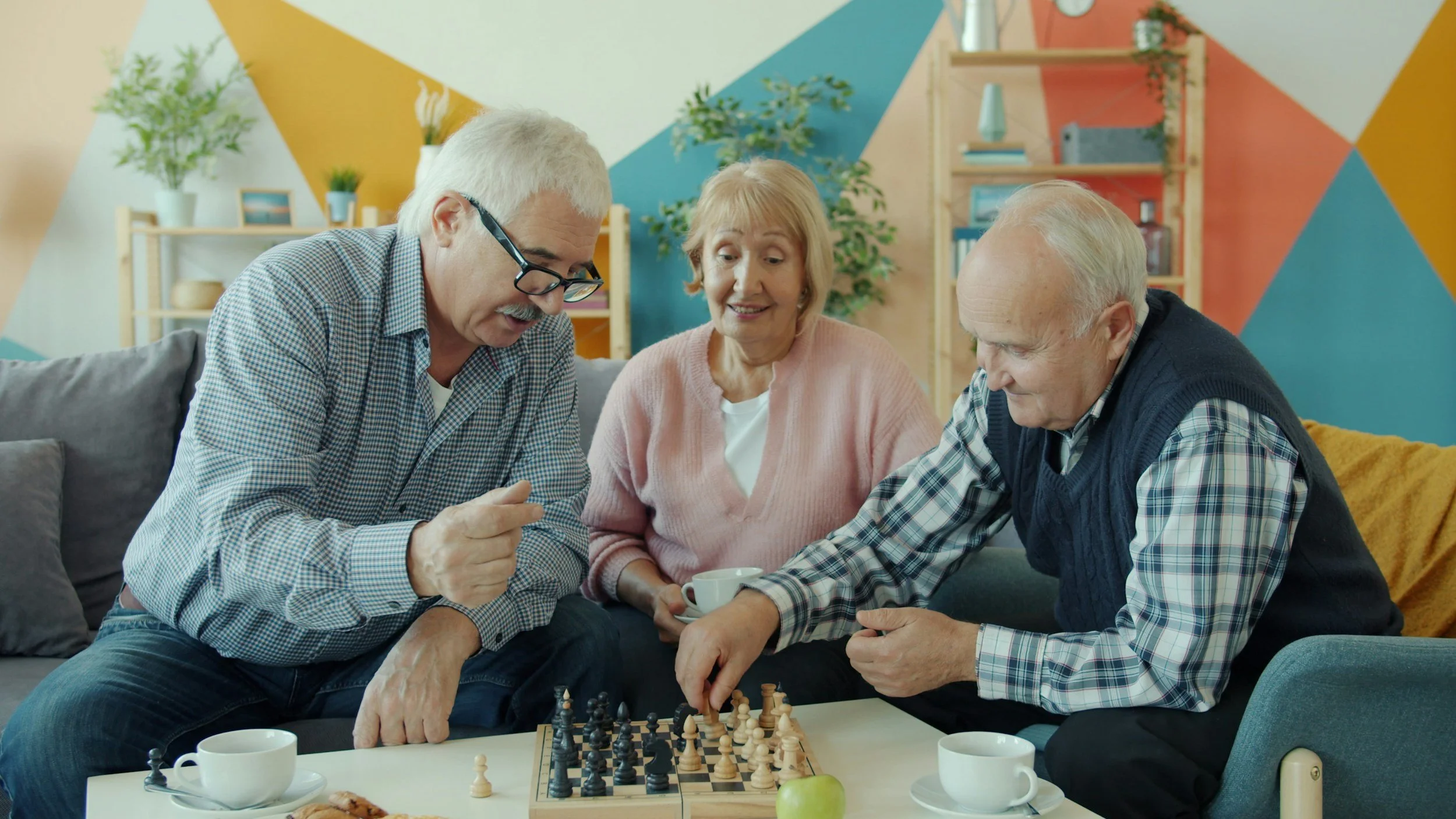
Friendship Might Be The Best Medicine
What if one of the most powerful ways to protect your health as you age isn’t found in a prescription bottle—but in friendship? A
The “Friend Effect” you want to know about.
What if one of the most powerful ways to protect your health as you age isn’t found in a prescription bottle—but in friendship? Aging often brings wisdom, perspective, and meaningful life experience—but it can also bring emotional challenges that many people don’t talk about openly.
According to a 2023 survey by the California Department of Aging of more than 17,000 older Californians, many adults reported struggling with emotional well-being. In that survey, 40% said loneliness or isolation was a problem, 43% reported feeling depressed, and nearly half were coping with grief or loss.
These experiences are more common than many people realize. Changes in health, retirement, the loss of loved ones, or shifting family roles can all affect emotional well-being. For some people, these feelings come and go. For others, they begin to weigh more heavily over time.
One of the most powerful protectors against these challenges is something both simple and deeply human: friendship.
Research continues to show that meaningful social connection plays a vital role in our mental and physical health as we age. According to “The Friend Effect,” a recent article in Psychology Today, friendships provide remarkable benefits, including:
Slowing cellular aging by reducing inflammation
Lowering cortisol (the body’s primary stress hormone)
Reducing the risk of loneliness, depression, and anxiety throughout the lifespan
Boosting self-esteem
Sharpening social intelligence through regular interaction
Enhancing memory and helping preserve DNA at a cellular level
Lowering heart rate and blood pressure, protecting against cardiovascular disease and stroke
With so many powerful benefits, friendship can seem like one of the most important ingredients for healthy aging. Yet many people notice that building and maintaining friendships becomes more difficult as the years go on.
Life changes. People move away, relationships shift, and sometimes friends pass away. Health challenges or transportation barriers can make it harder to stay connected. The built-in social circles that once existed through work, parenting, or community activities may no longer be there. As a result, many people find they need to be more intentional about creating opportunities for connection than they did earlier in life.
The good news is that meaningful friendships can still be built at any stage of life. Here are some practical and realistic ways to cultivate new connections later in life.
1.Start with shared activities
Look for:
Walking groups
Exercise or yoga classes
Book clubs
Volunteer opportunities
Art or hobby classes
Faith or spiritual communities
Community education programs
Consistent interaction allows conversations to grow naturally over time.
2. Say yes more often
Many friendships begin with small invitations.
If someone suggests:
Coffee after a class
Walking together
Attending a community event
Try saying yes—even if it feels slightly outside your routine. Repeated small interactions often become friendships.
3. Reconnect with old relationships
Sometimes the easiest friendships to build are old ones that simply faded due to life circumstances.
Consider reaching out to:
Former coworkers
Old neighbors
Parents from your children’s school years
Friends you lost touch with after moving
A simple message like “I was thinking about you the other day and wondered how you’ve been” can reopen doors.
4. Address emotional barriers
Sometimes the hardest part of making friends later in life is not opportunity—it’s vulnerability. After loss, caregiving stress, or major life transitions, people may feel hesitant to open up again.
Talking with a counselor can help people:
Rebuild confidence in relationships
Process grief or loneliness
Develop strategies for connection
Many people find that when emotional barriers soften, friendships become easier to form.
If making or maintaining friendships feels harder than it used to, you’re not alone. Life transitions, loss, and past experiences can sometimes create emotional barriers that make connection feel more difficult. Therapy can provide a supportive space to explore those challenges, build confidence, and develop meaningful relationships.
If you’re ready for more connection and support, I invite you to reach out to learn more about working together.
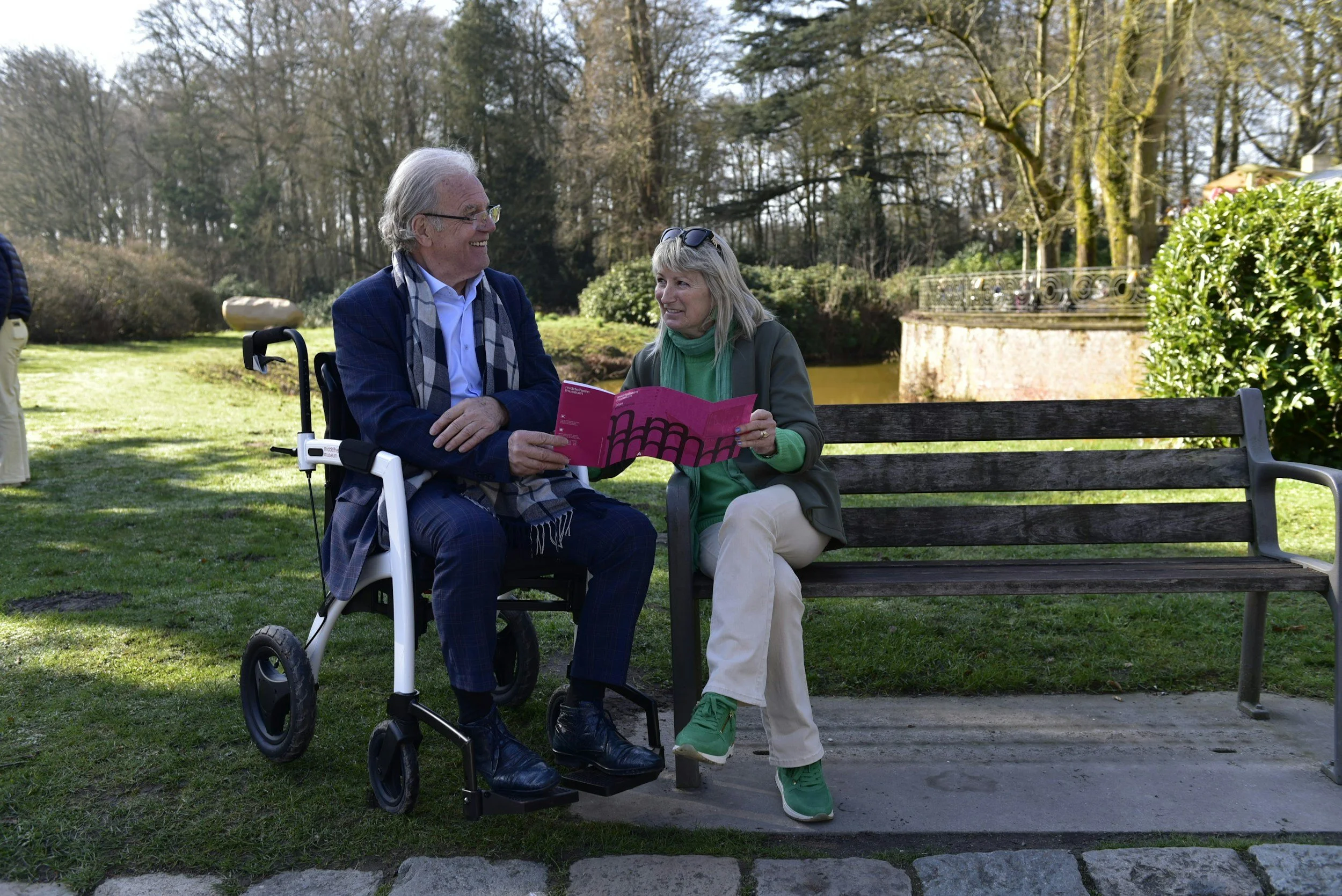
Supporting Independence
Planning for support helps maintain independence. The right support can help you remain safe in your home, maintain routines and preserve a sense of purpose.
February-National Senior Independence Month
As we celebrate National Senior Independence Month this February, I want to emphasize the importance of planning for support in maintaining independence. Independence does not always mean doing everything alone; for many older adults, the right support can help them remain safely at home, maintain routines, and preserve a sense of purpose.
When discussing concerns with older adults and caregivers, two fears come up repeatedly: the fear of being a burden and the fear of financial insecurity. These concerns reflect a desire to stay independent throughout the aging process. Planning for support proactively helps older adults remain in charge of their care, rather than having decisions made during a crisis. Support such as home care can preserve routines, reduce stress on family, and help independence last longer.
Exploring care options, community resources, and financial professionals who specialize in aging allows for informed, confident decisions instead of fear-based ones. Having clear financial information enables older adults to remain in the driver's seat, making decisions that support their independence and autonomy.
Remember, planning ahead is not a loss of independence—it's one of the strongest ways to protect it.
Download these guides to get started.
A Note for Caregivers
Supporting independence for someone you love often means stepping back and stepping in—sometimes at the same time. Even when the right care and financial resources are in place, caregivers are still carrying emotional weight, responsibility, and worry that doesn’t always have an outlet.
If you’re finding yourself:
Constantly thinking several steps ahead
Feeling responsible for “getting it right”
Struggling to rest even when help is available
Holding guilt, stress, or uncertainty on your own
Therapy can offer a place to sort through these experiences—without judgment and without adding another task to your list. It’s not about fixing anything; it’s about supporting you as you navigate complex decisions and an ongoing caregiving role.
If you’d like a space to talk through your caregiving load, support is available.

Reinventing the Holiday Spirit
If you are craving more ease, clarity or emotional support this holiday season-you are in the right place.
Could Saying No, Setting Boundaries, and Getting Creative Be the New Holiday Hustle?
For so long, the holidays have been tied to doing more — more events, more expectations, more pressure to show up with energy we may not actually have. But what if the real holiday “hustle” in this season of life isn’t about squeezing more in… but thoughtfully choosing what to let go of?
What if the new holiday spirit is about:
Saying no to what drains you
Setting boundaries that protect your peace
Getting creative with new traditions that fit who you are now
Honoring your emotional reality, even if it looks different from years past
Instead of pushing through, we can shift toward intentional connection, quieter joy, and rituals that feel meaningful rather than obligatory.
The truth is: there is courage in stepping back. There is wisdom in choosing what truly matters. And there is healing in giving yourself permission to reshape the holidays in a way that supports your emotional well-being — not your to-do list.
If this season has you craving more ease, clarity, or emotional support, this is a wonderful time to reach out. I offer free consultations to help you explore whether therapy is the right fit, and I have openings for new clients who are ready to feel more grounded and supported.
You deserve a holiday season—and a life—that feels manageable and meaningful. If you’re ready to take that next step, I’m here.

Permission to Slow Down
Whether you’re a caregiver running on empty or an older adult navigating new stages of life, you deserve space to breathe and reflect.
November has a way of asking us to pause. The shorter days invite us to rest. The holidays can bring both warmth and stress — especially if you’re caring for someone or facing changes in your own health or independence.
This month, as we recognize Alzheimer’s Awareness Month, it’s also a time to honor the millions of families touched by memory loss. Whether you’re supporting a loved one living with dementia or coping with the uncertainty of cognitive changes yourself, know that your emotional health matters, too.
Slowing down isn’t giving up — it’s a way to listen. To your body, your emotions, and your needs. Whether you’re a caregiver running on empty or an older adult navigating new stages of life, you deserve space to breathe and reflect.
Emotional Fatigue in Aging & Caregiving
It’s common to feel:
Overwhelmed by constant decisions or uncertainty
Lonely even when surrounded by others
Guilty for wanting rest or time to yourself
These aren’t signs of weakness — they’re signals from your mind and body that you need support.
Therapy can help you:
Reconnect with your sense of purpose
Manage guilt and anxiety
Develop healthy boundaries with compassion
Learn tools to restore your energy
Tool to Try: The “Energy Check”
Take a quiet moment today and ask yourself:
What drains me most right now?
What gives me energy or peace — even in small ways?
What one thing can I let go of this week?
This small check-in can help you find clarity and calm-especially during busy caregiving seasons.
Ready for Support?
If you’ve been thinking, “I should probably talk to someone…” — this might be your sign.
At Roseville Elder Services, I offer:
Individual therapy for older adults and caregivers
In-home and virtual sessions for your convenience
Aging consultations and advance care planning
You don’t have to do this alone.
Whether you’re navigating caregiving, memory loss, or the emotional changes that come with aging — together, we can make this next season lighter.
October is National Depression Awareness Month
Depression is not a symptom of aging.
October 1st-10th is Older Adult Mental Health Awareness Week
This month is a reminder that mental health is just as important as physical health—especially for older adults. Yet far too many seniors face barriers that prevent them from getting the support they deserve.
At Roseville Elder Services, I am working hard to close these gaps.
Three Major Barriers Older Adults Face in Accessing Mental Health Care
Barrier 1: Shortage of Trained Specialists
Did you know that only 3–5% of social workers nationwide specialize in geriatrics?
This means older adults often struggle to find professionals who truly understand the unique emotional challenges of aging, caregiving, and end-of-life transitions.
Closing the Gap:
I am proud to be one of the few licensed clinical social workers specializing in gerontology, bringing expertise, compassion, and tailored strategies to support seniors and their families.
Barrier 2: Stigma Around Mental Health
Many older adults were raised in a time when mental health struggles weren’t openly discussed. Asking for help can feel uncomfortable or even shameful.
Closing the Gap:
Through workshops, community education, and one-on-one counseling, I normalize conversations about emotional well-being and create safe spaces for seniors to share their experiences without judgment.
Barrier 3: Accessibility Challenges
Transportation, mobility limitations, and technology barriers often prevent older adults from seeking or maintaining consistent care.
Closing the Gap:
I provide in-home therapy and virtual sessions, meeting seniors and caregivers where they are—literally. This flexibility helps remove one of the biggest obstacles to receiving care.
At Roseville Elder Services, my mission is simple: to make quality mental health care accessible, compassionate, and effective for older adults and caregivers in our communities.
If you or someone you know could benefit from support, I offer a free 15-minute phone consultation to answer questions and explore whether therapy may be a good fit.
Together, we can break the barriers and bring hope, healing, and resilience to older adults in California.

Can purpose be your brain’s best ally?
This exciting new research might surprise you. Learn the connection with purpose and brain health.
Hello friends,
As we step into September, I’m inspired by exciting new research published in the American Journal of Geriatric Psychiatry. The study followed more than 13,000 adults for up to 15 years and found something remarkable:
Adults with a strong sense of purpose were 28% less likely to develop cognitive impairment, including dementia.
They also experienced cognitive decline later than those who reported having no purpose.
Nicholas C. Howard, first author and public health researcher at UC Davis put it simply:
“Purpose in life is free, safe, and accessible. It’s something people can build through relationships, goals, and meaningful activities.”
In other words, purpose doesn’t just enrich our days — it protects our minds.
What if you’re not sure what your purpose is?
Or maybe the purpose that once guided your life has shifted as you’ve gotten older?
If that sounds familiar, you are not alone. And here’s the good news: this is exactly the work I do with clients. Together, we uncover a sense of purpose that fits your unique interests, values, and current physical and mental capacity.
When you have clarity of purpose, you gain more energy, joy, and resilience — and, as this research shows, you’re also giving your brain the best chance to stay strong.
Book a session with me today to start living your purpose.
Don’t worry about sounding professional. Sound like you. There are over 1.5 billion websites out there, but your story is what’s going to separate this one from the rest. If you read the words back and don’t hear your own voice in your head, that’s a good sign you still have more work to do.
Be clear, be confident and don’t overthink it. The beauty of your story is that it’s going to continue to evolve and your site can evolve with it. Your goal should be to make it feel right for right now. Later will take care of itself. It always does.
You’re Caring for Them-Who’s Caring for You?
The Hidden Cost of Caregiving
Caregiving can be deeply meaningful—but also incredibly demanding. The emotional and physical toll is real, and too often, caregivers put their own health last.
In fact, 30% of family caregivers die before the person they’re caring for. That statistic is heartbreaking—and a powerful call to action.
Many caregivers skip their own medical appointments, stop exercising, lose touch with friends, and ignore their emotional needs. I want you to know burnout and breakdown can be helped. With the right support, it’s possible to navigate this chapter with more peace, clarity, and support.
You Deserve Support, Too
Caregiving can be a gift, but it shouldn't cost you everything.
Through therapy, I help caregivers:
✅ Manage overwhelming stress
✅ Set healthy emotional and physical boundaries
✅ Reconnect with their identity and personal needs
✅ Grieve the losses that come with long-term care
When caregivers are supported, their loved ones benefit too.
Ready for the next step?
Here are two ways to get connected.
ONE: If you’re feeling overwhelmed, lost, or running on empty, therapy can help you reclaim your energy, strengthen your mindset, and move through this chapter with confidence. I invite you to take the first step toward healing and book a therapy session today.
🌿 Let’s help you feel like you again.
TWO: Learn practical, supportive tools to care for yourself and your loved one, create moments of rest, and reconnect with daily joy.
Sign up to receive information on our upcoming workshop "Create Your Caregiver Toolkit".
You deserve peace of mind, renewed energy, and moments of joy. When you take care of yourself, you’re also strengthening the care you provide to the person you love.
Reach out for support — it’s one of the most important steps you can take.

Don’t make this mistake
Prepare with confidence. Protect what matters most.
In my career working in healthcare I have seen many people make this mistake.
Someone is sick and in the hospital or there is an accident. A family member steps up to discuss options and treatment.
Sadly, the family member doesn’t have the authority or permission to speak on behalf of the patient. The patient didn’t complete advance care planning documents.
The family doesn’t know their wishes or preferences.
The biggest mistake I see in working in healthcare is the lack of completed legal documents.
If you haven’t completed the appropriate documentation your loved ones won’t have authority or permission to speak to insurance or make decisions.
This delays care and causes unnecessary stress.
There is one way to avoid this situation all together.
Complete the advance care planning documents before there is a crisis.
What are the advance care planning documents? In California, they are the following:
Advance Health Care Directive
Power of Attorney for Finance
POLST-for seriously ill or advanced fraility
These documents can be found online or attend one of my advance are planning workshops to better understand your choices and sign the documents on the spot!
Spare your loved ones added stress and give yourself peace of mind knowing your wishes have been discussed and understood.
Check out our upcoming workshops here.
Other great resources:
https://theconversationproject.org/
https://www.nia.nih.gov/health/advance-care-planning

Aging Parents Checklist
Helpful checklist to prepare aging parents.
Are your parents aging? Do you have questions about how to set them up for success? Have you considered your role in their aging process?
These are common questions many adult children ask themselves as they watch their parents age. Below are some helpful topics to discuss with your aging parents. You might consider printing this checklist and setting up a time to talk through the list with your aging parents.
Aging Parents Checklist:
Review legal and financial documents:
Power of Attorney for Finance
Advance Healthcare Directive
Trust or Living Will
Birth Certificate
Passport
Drivers License
Social Security Card
Investment and retirement
Tax information
2. Prepare a folder or document with important information
Online bank account information
Passwords
Important contacts, phone number and address
Military documents
Car titles
Real estate information
3. Review medical needs and documents:
Physician and specialist’s name(s), address and phone number
Medications, prescriptions and dosages and any allergies
Medical insurance card and information
4. Discuss roles and responsibilities:
Who is responsible for financial decisions and/or health decisions?
Who is responsible for the pet?
Discuss caregiving roles, and expectations
5. Discuss a plan for safety:
Life alert button
Ramps, grab bars, wheelchair or walker
Moving to a facility
Hiring caregivers
6. Review parents wishes and values for their aging process.
Need help? Feel free to schedule an aging consultation for individual recommendations and resources.